Key Questions to ask When Repairing Classic Cars
Classic car restoration is a rewarding journey that blends passion, history, and intricate craftsmanship. For many enthusiasts, it also overlaps with classic car auto repair, as restoring vintage vehicles often requires extensive mechanical and structural work. Before embarking on this adventure, asking the right questions can guide you through the process with clarity and precision. This article explores the essential queries to consider at each stage of a classic car restoration, ensuring your project remains manageable, enjoyable, and true to its original glory.
What Is the Scope of Restoration?
Restoring a classic car requires a conceptual understanding of the project's scope from the outset. It's crucial to begin by exploring the car's unique characteristics and history, which can dictate the restoration path. Knowing a vehicle's journey not only enriches the restoration experience but can also highlight rare original parts needed to preserve its authenticity. For example, detailed research into the model and year may reveal changes or variations exclusive to your vehicle. Engaging with vintage car clubs and historical registries can offer insights into past modifications and their significance, especially when navigating both restoration and auto repair decisions.
The extent of damage or wear on the vehicle significantly impacts the restoration's feasibility and cost. Evaluating the existing condition is essential for setting a realistic restoration plan. A comprehensive inspection should identify rust damage, mechanical failure, and potential structural issues. Only by understanding the extent of required repairs can a practical strategy be devised. This assessment will inform decisions on whether to conduct a full restoration or focus on the most severely damaged areas, often blending restoration work with necessary auto repair services.
Defining the goals and limits of your restoration project can make or break its success. Establish personal and financial boundaries early on to maintain focus and avoid unnecessary expenditures. Decide which components of restoration you can handle personally and which may require professional expertise. Differentiating between tasks allows for better time management and skill allocation, maximizing the project's efficiency. Moreover, current market conditions and classic car trends may affect parts availability and cost, necessitating periodic reassessment of your goals and your approach to classic car auto repair.
What Condition Are the Mechanical Components In?
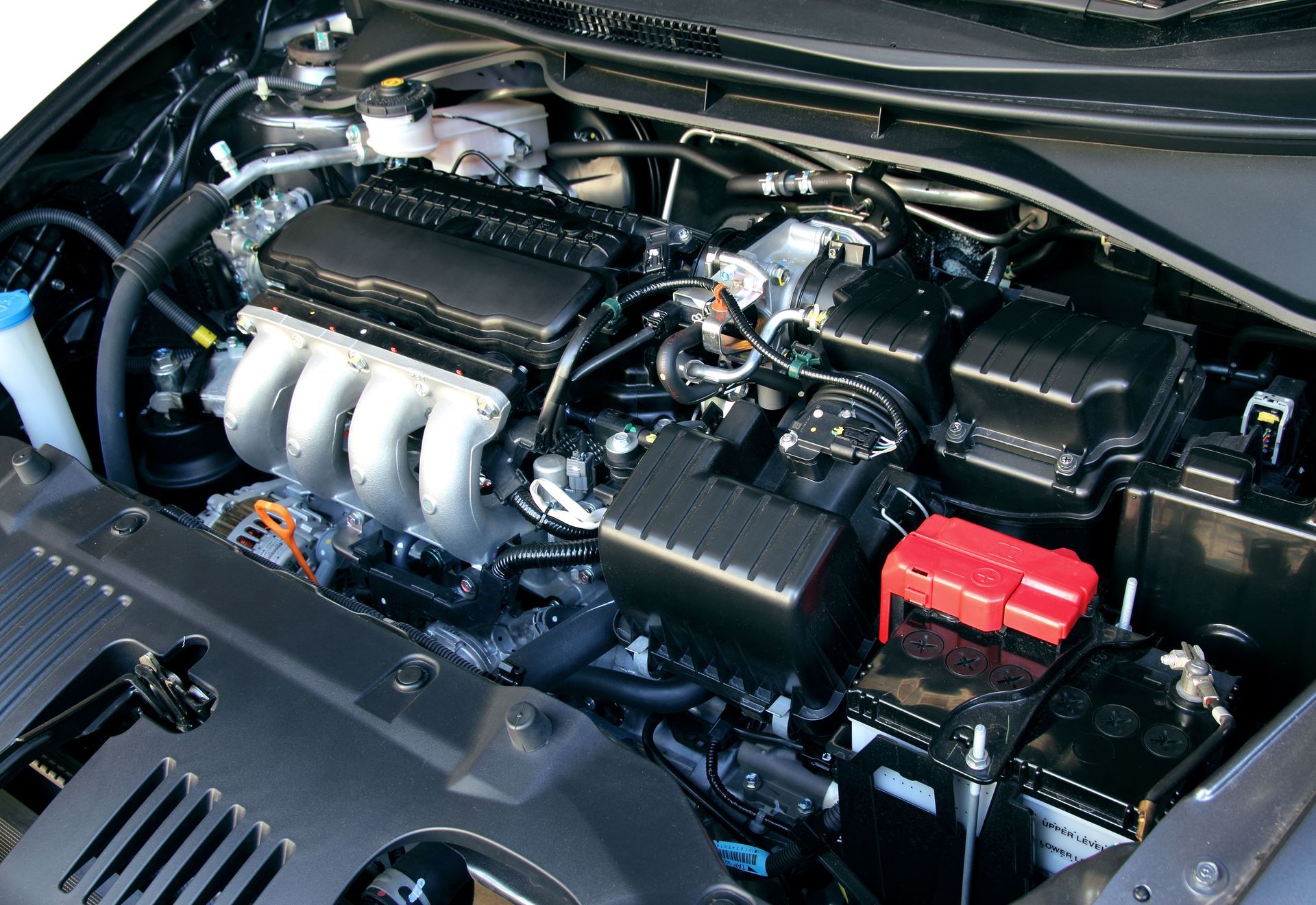
Mechanical components are the backbone of any vehicle, and in classic cars, their condition determines both safety and authenticity. A key question is whether the engine and transmission have been assessed for functionality. Rebuilding these core components can be complex and costly, necessitating expert evaluation for accurate guidance. Issues such as compression loss, gearbox wear, and outdated technology can significantly impact the overall restoration budget. In many cases, specialized classic car auto repair knowledge is required to ensure proper rebuilding and long-term reliability.
The condition of key systems such as suspension and steering also plays a vital role in the restoration process. These components must provide the stability and handling expected from a vintage vehicle while meeting modern safety regulations. Evaluating whether the brake systems remain operational and authentic is crucial, as they are integral to vehicle safety and drivability. According to Brandon Gaille, in the United States, four out of five auto repairs performed on cars are related to vehicle durability. This highlights the importance of incorporating classic car auto repair best practices to ensure the brakes and other systems are dependable and safe.
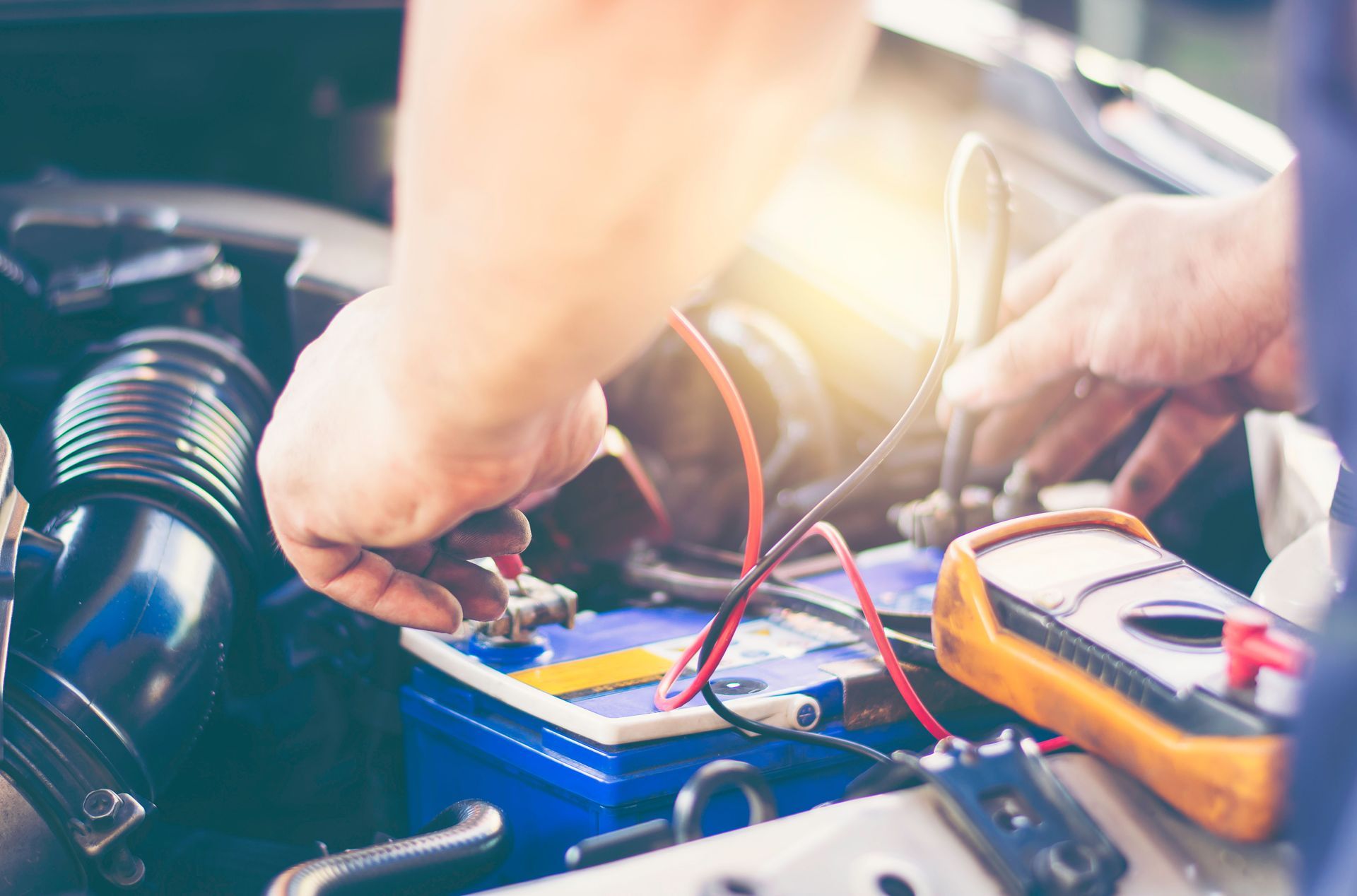
The electrical system of a classic car poses unique challenges, as its design may be outdated compared to modern standards. Identifying the current electrical setup and understanding the complexities involved in potential upgrades is crucial. Safety considerations may require rewiring, upgrading old components, or installing modern conveniences without compromising the car's historical integrity. This involves assessing points where leaks might affect other components, requiring careful inspection of seals and openings throughout the vehicle. Balancing preservation with functionality is a common challenge in both restoration and classic car auto repair work.
Are There Signs of Wear on the Body and Frame?
The body and frame of a classic car are often its most visually defining features, making their condition paramount to the restoration's success. Signs of rust or corrosion need immediate attention to prevent further structural damage. Identifying areas of concern early allows targeted repairs that preserve as much of the original material as possible. Undertaking rust treatment and anti-corrosion measures is necessary to maintain integrity and ensure future proofing. These efforts often require a combination of restoration techniques and classic car auto repair expertise.
Discovering that body panels are aligned and free from major defects is a satisfying part of the restoration process. Panel alignment affects a vehicle's aerodynamics and aesthetic appeal, making precise adjustments vital. Proper fitting ensures smooth, even lines echoing the artistry of the original design. In cases where panels are irreparably damaged or missing, sourcing authentic or quality reproduction parts becomes critical. Finding these parts can be challenging, requiring the expertise of specialized restorers or professionals experienced in classic car auto repair.
The frame's structural soundness is vital, serving as the car's foundation. Any modifications need to be assessed to ensure compliance with the safety and performance standards for vintage vehicles. Historical knowledge about potential frame alterations provides invaluable context, informing whether restoration or replacement is feasible. These complexities of sourcing authentic parts necessitate partnerships with reputable suppliers and specialists. Paint options should respect originality while accounting for environmental impact, leading to a balanced choice between historical accuracy and lasting aesthetics.
Does the Interior and Upholstery Need Restoration or Replacement?
The car's interior is often a window to its soul, reflecting the original builder's vision and stylistic choices. Preserving the original interior design demands careful evaluation. Identifying irreparable alterations requires creativity in restoring or replicating the genuine look. Exploring the dashboard and instrumentation's accuracy provides insight into functionality. Ensuring that all elements work as intended enhances both driver experience and vehicle value, and may also involve light classic car auto repair work for switches, gauges, and wiring.
Interior assessment doesn't end with the dashboard; the condition of seats, carpets, and door panels contributes significantly to the car's appeal. Upholstery wear and age-related fading are common issues in classic cars, necessitating thoughtful restoration strategies. Restoration should aim to maintain original materials where possible, paying tribute to the era's craftsmanship and quality. Where original elements are missing or damaged beyond repair, restoring or accurately reproducing authentic parts ensures continuity and preserves value.
Careful consideration of your options for restoring or replacing upholstery can greatly influence the outcome. Sourcing genuine materials or high-quality reproductions assures historical fidelity. Leverage expert restoration techniques to preserve original features, such as stitching patterns and unique designs. Engaging skilled artisans ensures that even minor details reflect the vehicle's historical pedigree. Successful interior restoration enhances the car's aesthetic appeal and creates a welcoming environment for drivers and passengers alike.
How Much Will Restoration and Repair Cost?
Financial planning is often as complex and vital as the restoration process itself. Establish an initial budget that covers all anticipated expenses, including parts, labor, and unexpected costs. Flexibility is essential—unanticipated expenditures often arise, necessitating adjustments within the project's financial plans. Allocating funds for potential surprises ensures continuity and minimizes stress when unexpected issues emerge. Factoring in costs for classic car auto repair is especially important, as mechanical issues can quickly increase the overall investment.
Evaluating the potential return on investment and long-term value appreciation of a restored car is crucial for those viewing restoration as an investment. Market trends and vehicle rarity influence resale value, making timing and strategy critical. Furthermore, financing options can vary significantly between parts versus full restoration, affecting budgeting strategies. Researching the market for comparable restored models provides insight into prospective financial returns. Incorporating both restoration and classic car auto repair considerations ensures a more accurate financial outlook.
Restoring a classic car is a labor of love that requires diligent planning and a deep understanding of the vehicle's original attributes. By asking the right questions at each stage, you ensure that the process honors the vehicle's heritage while aligning with your personal and financial goals. Whether your project leans more toward restoration or
classic car auto repair, the end result is a testament to patience, skill, and passion. With the car restored and the satisfaction of seeing it return to its former glory, your efforts and thorough planning will prove invaluable. This foundation sets the stage for future restorations or automotive adventures, affirming the timeless charm of classic vehicles and deepening appreciation for both their history and the craft required to preserve them. For more information about classic car restoration and repair, contact Two Brothers Auto Restoration & Repair today to learn more.