May 6, 2026
The reliability of a vehicle starting on demand is not a coincidence—it is the result of decades of engineering refinement, material science, and system integration. Today’s starting systems are far more advanced than early automotive designs, yet they still depend on one central component: the battery and its supporting electrical ecosystem. When issues arise, drivers often discover that consistent performance is closely tied to maintenance history, environmental conditions, and system health checks often performed by local auto repair shops.
Modern automotive power systems are built to minimize unexpected failure, but they still operate within a natural lifecycle. Understanding how that lifecycle evolved helps explain why starting performance varies from vehicle to vehicle. It also highlights why professional inspections and preventative care remain essential for long-term dependability.
1. Examine Early Foundations Of Vehicle Starting Systems
The earliest automotive starting systems were mechanical and required significant manual effort before electrical ignition became standard. As engineering progressed, manufacturers introduced basic electrical storage systems to reduce strain on early combustion engines. These early innovations laid the groundwork for modern ignition reliability and set expectations for consistent starting power.
As vehicles became more complex, the demand for dependable electrical systems increased. This shift pushed the industry toward standardized battery development and more structured maintenance practices. Even today, lessons from these early systems inform how we evaluate electrical performance in modern vehicles through advanced diagnostics offered by local auto repair shops.
2. Trace Lead Acid Battery Evolution
The introduction of lead-acid technology marked a turning point in automotive history. It provided a rechargeable and cost-effective solution capable of delivering the high burst of energy required to start engines. Over time, refinements improved durability, efficiency, and resistance to vibration and temperature extremes.
This evolution also changed how drivers approached maintenance, shifting from reactive repairs to preventative care. In modern service environments, lead-acid batteries are still widely used due to their reliability and predictable performance characteristics. Today, local auto repair shops continue to rely on this technology when servicing a wide range of vehicles, from daily commuters to classic restorations.
3. Evaluate Maintenance-Free Battery Shifts
The move toward maintenance-free battery systems eliminated the need for frequent manual electrolyte checks. This innovation improved convenience while reducing the risk of improper handling or contamination. Sealed battery designs also improved safety and extended service consistency under normal driving conditions.
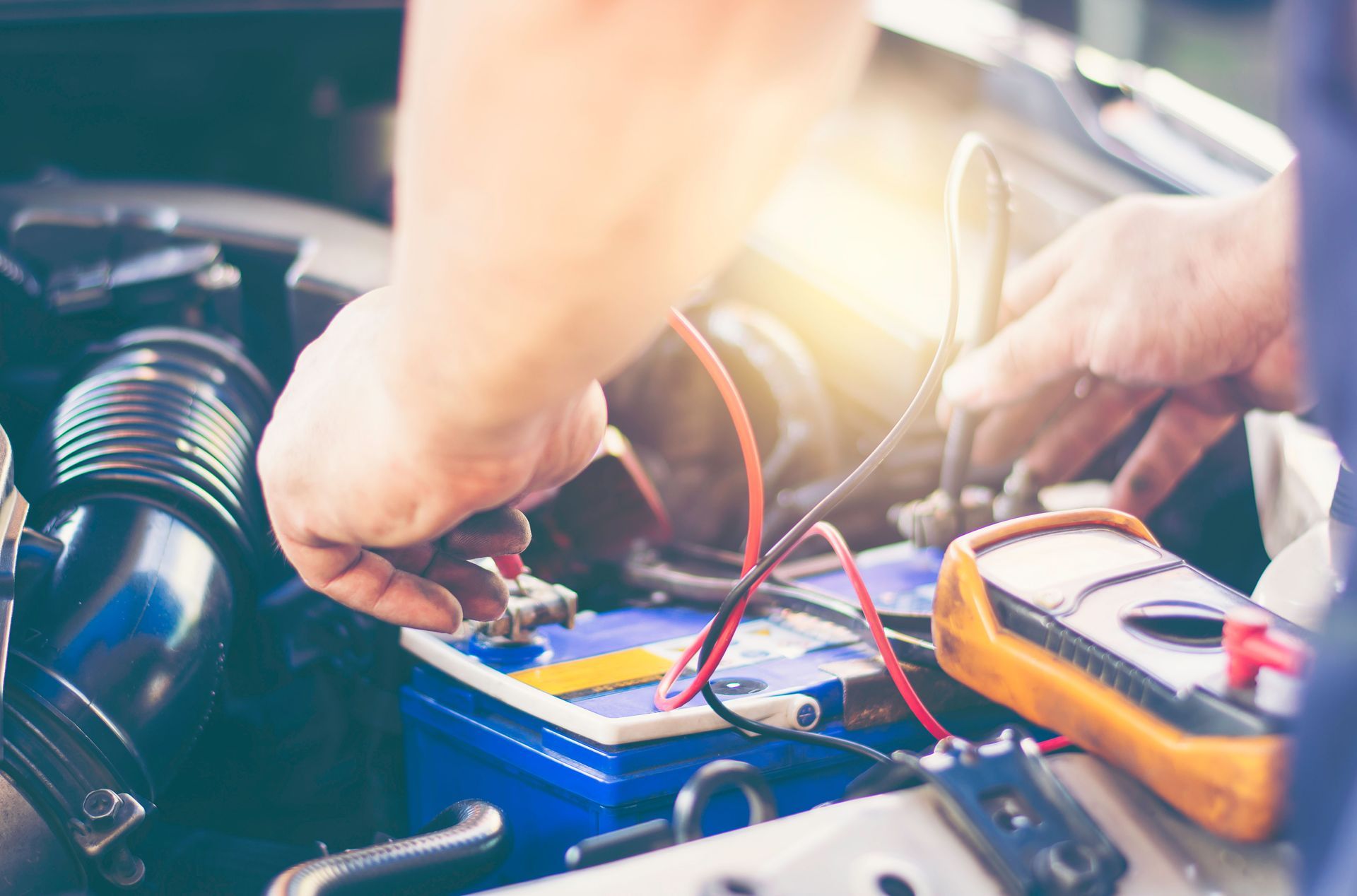
This shift also influenced service expectations, as battery inspections became more diagnostic rather than manual. Technicians now evaluate performance through load testing and system scanning rather than physical upkeep. In this evolving service landscape, local auto repair shops play a central role in identifying early signs of battery decline before failure occurs.
4. Analyze Modern Efficiency Improvements
Modern batteries are engineered for higher energy density, improved thermal stability, and faster recovery between charge cycles. AGM and enhanced flooded battery technologies have significantly improved starting reliability in extreme climates. These advancements also support modern vehicle electronics, which place higher demands on electrical systems than ever before.
As vehicles become more electronically complex, consistent power delivery becomes even more critical. Voltage stability directly impacts everything from ignition timing to onboard diagnostics. Because of this, local auto repair shops increasingly focus on system-wide evaluations rather than isolated battery checks to ensure full electrical reliability.
5. Understand Manufacturing And Quality Control
Battery manufacturing involves precision-controlled processes that ensure consistency across millions of units. Raw materials are processed, assembled, and tested under strict conditions to meet performance standards. Quality control testing simulates real-world stress factors such as vibration, heat, and deep discharge cycles.
These procedures reduce the likelihood of premature failure and improve overall lifespan predictability. However, even with strict manufacturing controls, environmental exposure and usage patterns still affect real-world performance. That is why auto repair shops are essential in bridging the gap between factory standards and actual driving conditions through ongoing system evaluation.
6. Assess Installation And Vehicle Integration
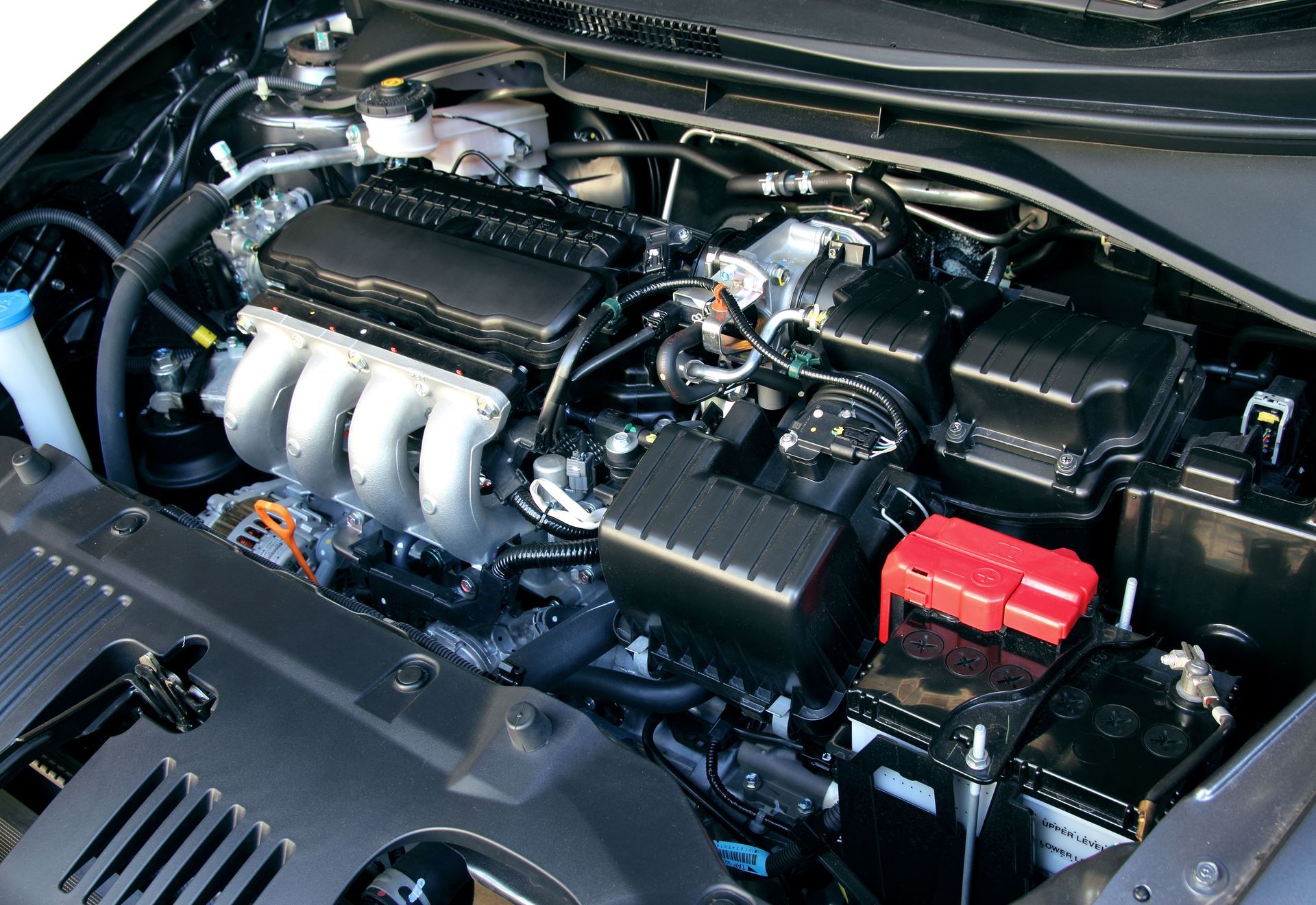
Proper battery integration requires alignment with a vehicle’s electrical architecture. Modern systems rely on precise voltage regulation to support onboard computers, sensors, and safety systems. Incorrect installation or mismatched specifications can lead to inconsistent starting behavior or reduced efficiency. Additionally, a well-integrated battery is crucial for maintaining the optimal performance of advanced safety features.
To ensure proper performance, installation includes system checks, secure mounting, and post-install calibration. These steps help confirm that the battery communicates correctly with vehicle electronics. In practice, local auto repair shops ensure this process is completed accurately so that starting performance remains stable under varying driving conditions. Regular maintenance and inspections further contribute to the longevity and reliability of the vehicle battery system.
7. Maintain Battery Health Through Usage Patterns
Battery life is not determined by manufacturing alone; it is heavily influenced by driving behavior and environmental exposure. Short trips, frequent stops, and high accessory usage can reduce overall efficiency over time. Consistent driving patterns that allow full charging cycles help maintain stronger long-term performance.
According to AAA, car batteries typically last three to five years, depending on usage and environmental conditions. Temperature extremes, particularly heat, can significantly accelerate wear. In Phoenix, AZ, where heat exposure is a major factor, proactive inspections are especially important. That is why auto repair shops focus heavily on preventative maintenance programs, including battery testing and system health evaluations. This proactive approach helps reduce unexpected starting issues and improves long-term reliability.
8. Diagnose Common Failure Causes
Battery failure rarely occurs without warning. Symptoms such as slow cranking, dim lighting, or intermittent starting issues often indicate underlying electrical strain. These signs can stem from aging components, charging system inefficiencies, or parasitic electrical drains.
Advanced diagnostic tools allow technicians to identify whether the issue originates from the battery itself or another connected system. Alternators, wiring integrity, and sensor feedback all play a role in starting performance. In many cases, auto repair shops resolve these issues through full-system inspections rather than replacing components prematurely, ensuring accuracy in repair decisions.
9. Explore Future Starting Power Technologies
The future of vehicle starting systems is moving toward more efficient energy storage and smarter electrical management. Solid-state battery development and hybrid energy systems are expected to improve reliability while reducing size and weight. These advancements will also enhance cold-weather performance and charging efficiency.
At the same time, vehicles are becoming more software-dependent, meaning energy management will increasingly rely on predictive systems. As this evolution continues, service providers must adapt their diagnostic capabilities. Forward-looking local auto repair shops are already preparing for these changes by expanding electrical system expertise and integrating advanced testing technologies.
The timeline behind reliable starting power reflects continuous improvement across engineering, manufacturing, and real-world applications. Each advancement has reduced failure rates while increasing system complexity, making professional oversight more important than ever. Drivers today benefit from longer-lasting batteries and smarter electrical systems, but these improvements still depend on regular inspection and maintenance.
In Phoenix, AZ, Sequoia Automotive Restoration & Repair supports drivers with comprehensive electrical diagnostics, battery replacement services, and preventative maintenance solutions designed for long-term reliability. With a 2-year/24,000-mile warranty, price matching on written estimates, and a 15% discount for seniors and military members, the focus remains on delivering value and consistency. When starting issues arise, local auto repair shops like ours ensure problems are identified early and resolved with precision, keeping vehicles dependable in every season.