July 16, 2026
Maintaining windshield wipers is crucial for driver safety, yet it is often neglected by car owners. Wiper blades that are worn out can significantly impede visibility, especially during harsh weather conditions, increasing the risk of road accidents. Neglecting the timely replacement of wiper blades not only reduces their effectiveness but can also result in costly damages to the windshield if left unchecked. The importance of regular maintenance and timely replacement cannot be understated, and a local auto repair shop can help drivers stay on top of this simple but important service. This article details how often you should reconsider the condition of your wiper blades to keep them in optimal working order.
The Basics of Wiper Blade Functionality
How Wiper Blades Work
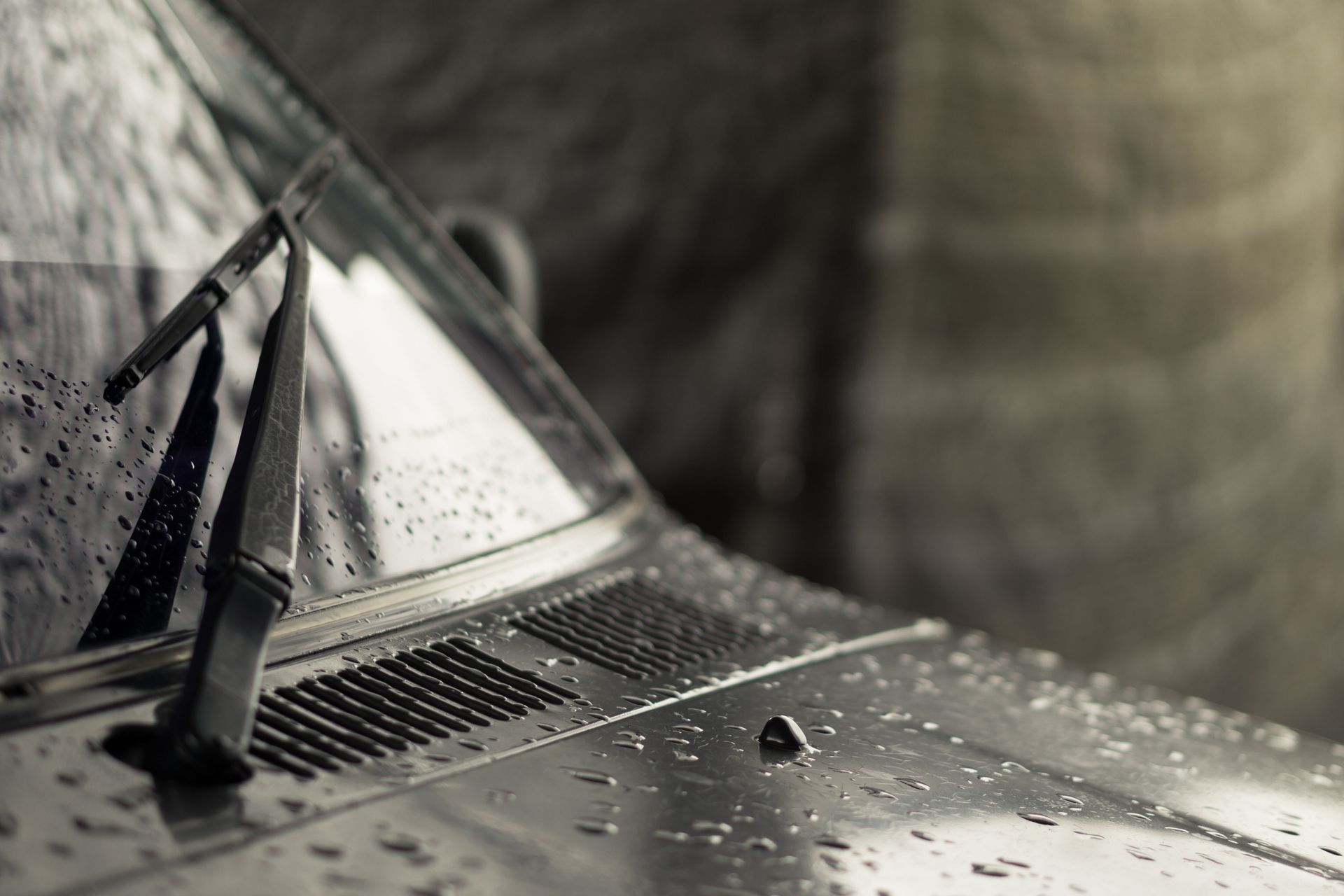
Wiper blades play a critical role in ensuring a clear view of the road by removing rain, snow, and debris from your vehicle's windshield. A standard wiper blade consists of a rubber strip attached to a wiper arm controlled by the motor inside the vehicle. As the wiper arm oscillates, the blade moves across the windshield, clearing away visual obstructions. Properly functioning wipers are integral to safe driving, especially during adverse weather conditions. Understanding how they operate can help you determine when it is time for replacement, especially when a local auto repair shop is available to inspect them during routine service.
Importance of Size and Fit
Ensuring that wiper blades are the correct size and fit for your vehicle is crucial for their effective operation. Incorrectly sized blades can result in inefficient clearing or even potential damage to the windshield. Each vehicle model comes with manufacturer specifications detailing the proper wiper size that should be used. Replacing them with the recommended size guarantees optimal performance, and a local auto repair shop can quickly confirm the correct fit for your make and model. Aside from size, securing the blade properly on the wiper arm keeps it locked in place during use and prevents possible detachment.
Frequency of Use and Duration
The frequency and duration of wiper blade usage directly influence their life expectancy. In areas where rain is frequent, wipers experience more wear and will need to be replaced more often than those in drier climates. According to AutoZone, wiper blades tend to last around 12 months in normal conditions, but this varies significantly with use patterns. According to S&P Global, the average age of vehicles in the U.S. reaches 12.8 years, making routine maintenance items like wiper blade replacement especially important for older cars still on the road. Increased highway driving also adds strain through constant exposure to high-speed airflow. A local auto repair shop can help document usage patterns and recommend replacement timelines more accurately.
Signs It's Time to Replace Your Wiper Blades
Streaking or Smearing on the Windshield
One of the clearest indicators that it's time to replace your wiper blades is the appearance of streaking or smearing on your windshield. This issue is usually caused by the rubber edge of the blade becoming worn or uneven, leading to incomplete clearing. Streaks or smears can significantly reduce visibility, especially during rainy conditions, posing a considerable safety risk. It's a clear sign that the blade is no longer making efficient contact with the glass surface. If you observe these patterns, it is advisable to inspect your blades immediately or ask a local auto repair shop to replace them before visibility gets worse.
Chattering or Skipping While in Use
Chattering or skipping noises are other common indicators that wiper blades need replacement. These sounds occur when the wiper blade loses consistent contact with the windshield, often due to a hardened or misaligned blade. When blades chatter, they do not clean the windshield effectively, leaving behind dirt and water that obscure vision. Regular maintenance and inspection can prevent this issue from escalating. Replacement at the first sign of skipping supports continued driving safety and visibility.
Factors Influencing Wiper Blade Lifespan
Weather and Climate Impact
Climate and weather conditions play a pivotal role in determining the lifespan of wiper blades. Hot and cold extremes can cause the rubber to become brittle or warp, respectively, significantly reducing efficiency. Regions with varying seasonal extremes may find themselves replacing wipers more frequently compared to temperate climates. Prolonged exposure to harsh conditions can also diminish the structural integrity of the blade frames. Regular inspections can help mitigate climate-related damage, and using climate-appropriate blades may prolong usability.
Quality of Wiper Blade Material
Not all wiper blades are created equal, and the quality of materials used can significantly alter their lifespan. Cheaper blades may use lower-grade rubber resulting in quicker degradation and reduced wiping efficiency. Conversely, blades made with premium components often last longer, even in more challenging conditions. Investing in high-quality blades may have higher initial costs, but they typically offer long-term savings by reducing the frequency of replacements. Evaluating the cost-benefit of quality versus affordability is an important aspect of maintaining your vehicle.
Exposure to Debris and Road Grime
Frequent exposure to roadside debris, dust, and grime can hasten the deterioration of wiper blades. Sand and small particles can become lodged between the blade and the windshield, thereby causing premature wear on both surfaces. Urban areas with heavy traffic and industrial zones may exacerbate this issue. To prevent buildup and minimize abrasion, regular cleaning of both the blades and the windshield is recommended. Prompt removal of accumulated grime can help prolong the life of your wipers.
Parking Conditions and Sun Exposure
Where you park your vehicle also has a measurable impact on wiper blade life. Vehicles parked in direct sunlight absorb heat, causing rubber parts like wiper blades to dry out and crack. Asphalt surfaces can amplify this effect during summer months, while parking under trees might expose your car to sap and other residues. Utilizing shaded parking or garage spots can help reduce wear and extend blade longevity. A protective cover could also serve to shield your blades from the elements.
Recommended Replacement Intervals
Manufacturer Guidelines and Recommendations
Manufacturer guidelines provide crucial insights into when wiper blades should be replaced. Most automakers and wiper blade manufacturers offer specific recommendations, typically advising replacements every six to twelve months. These guidelines take into consideration average usage conditions, but may not account for unique environmental factors. It's important to understand these recommendations as a baseline, adjusting replacement schedules based on actual use and condition. A local auto repair shop can compare manufacturer guidance with the condition of your current blades to help maintain optimal performance and safety.
Professional Mechanic Opinions
Professional mechanics often provide valuable insights beyond manufacturer recommendations when it comes to wiper blade replacements. Mechanics can assess wear based on specific vehicle types, driving habits, and regional conditions. A mechanic's examination of your wipers during routine inspections can offer tailored advice on when to replace your blades. Consulting a technician at a local auto repair shop means your particular needs and circumstances are accounted for in maintenance planning. Relying on their expertise provides peace of mind that your vehicle's safety equipment is in top condition.
Regular replacement of wiper blades is essential for maintaining road safety and vehicle integrity. Proactive maintenance helps avoid reduced visibility, windshield damage, and potential higher costs in the long run. By familiarizing yourself with replacement signs, factors influencing lifespan, and the benefits of timely replacements, you can support optimal performance. Understanding and adhering to replacement guidelines extends the functionality of your wipers, contributing to your overall vehicle care routine. Ultimately, consistent maintenance with help from a local auto repair shop translates to enhanced safety, cost savings, and dependable performance. Reach out to Two Brothers Auto Restoration & Repair today for more.