August 17, 2026
Your vehicle's engine depends on a steady supply of clean air every time you drive. While many drivers focus on oil changes, tire rotations, and brake service, the airflow system often receives less attention despite playing an important role in overall engine performance. Clean airflow allows the engine to maintain the proper air-to-fuel ratio, helping it produce power efficiently while reducing unnecessary strain on internal components.
Over time, dust, pollen, dirt, road debris, and other contaminants can restrict airflow if they accumulate in the engine air filter or intake system. When airflow becomes limited, the engine has to work harder to achieve the same level of performance. Regular inspections from a local auto repair professional can help identify airflow problems before they contribute to more expensive repairs. Understanding how clean airflow supports long-term engine health helps drivers make informed maintenance decisions that protect their investment.
How Does Clean Airflow Affect Engine Efficiency?
An internal combustion engine requires three primary elements to operate properly: fuel, spark, and air. While fuel quality and ignition components receive plenty of attention, clean air is equally essential for efficient combustion. When unrestricted air reaches the engine, combustion occurs more completely, allowing the vehicle to deliver better performance and smoother operation.
A clean air filter prevents dirt and debris from entering sensitive engine components while still allowing sufficient airflow. As contaminants accumulate, the filter gradually becomes clogged, reducing the volume of air entering the engine. This imbalance can affect fuel delivery, acceleration, and overall responsiveness.
Restricted airflow may also contribute to reduced fuel economy. Since the engine must compensate for limited air intake, it may consume more fuel under certain driving conditions. Drivers who notice their vehicle feels sluggish or requires more throttle than usual may be experiencing airflow restrictions.
According to Ford, an engine air filter should generally be replaced every 15,000 to 30,000 miles, although driving conditions may require more frequent inspections or replacement. Vehicles driven on dusty roads or through heavy construction areas often experience faster filter contamination. Scheduling routine inspections with a local auto repair provider helps determine whether the filter remains in good condition or should be replaced sooner.
What Are Common Misconceptions About Engine Air Filters?
Many vehicle owners assume that engine air filters only become dirty after many years of driving. In reality, filter lifespan depends heavily on the environment where the vehicle operates. Frequent travel on gravel roads, agricultural areas, or construction zones can shorten replacement intervals considerably.
Another common misconception is that a dirty air filter always causes obvious symptoms. While severe restrictions may produce noticeable performance issues, gradual airflow loss often develops slowly enough that drivers adapt without realizing the vehicle has become less efficient.
Some people also believe that replacing an engine air filter is unnecessary unless the check engine light appears. However, airflow restrictions can begin affecting performance well before electronic warning systems detect a problem. Preventive inspections remain one of the easiest ways to avoid unnecessary engine stress.
Another myth is that every reusable air filter offers better protection than traditional paper filters. While reusable filters have advantages in certain applications, they still require regular cleaning and maintenance. Improper servicing can reduce filtration effectiveness, allowing contaminants to enter the engine.
Working with a trusted local auto repair technician allows drivers to receive recommendations based on manufacturer specifications instead of relying on common misconceptions or online advice that may not apply to their specific vehicle.
Why Is Regular Maintenance Needed for Airflow Systems?
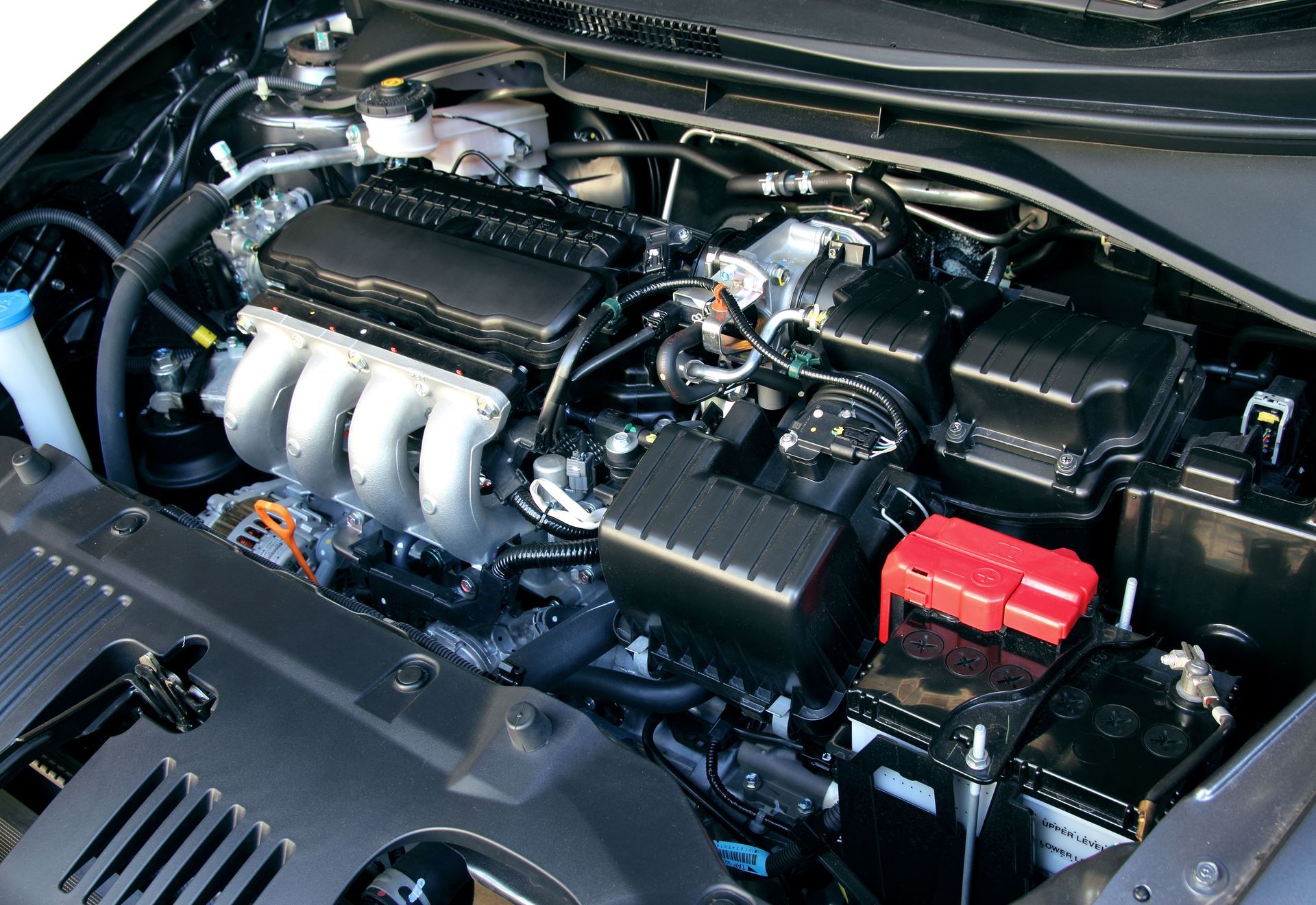
The engine air filter represents only one part of the overall airflow system. Air intake ducts, sensors, throttle bodies, and intake manifolds all work together to deliver clean air into the combustion chambers. When one component develops a problem, overall engine performance may suffer.
Routine maintenance helps identify developing issues before they become larger repairs. During scheduled service, technicians can inspect the air filter, examine intake hoses for cracks, verify sensor operation, and check for debris that may restrict airflow.
Modern vehicles also rely on sensors that measure incoming air volume to calculate proper fuel delivery. Dirt accumulation or damaged components may interfere with accurate readings, affecting drivability and engine efficiency. Cleaning or replacing these components during regular maintenance helps preserve consistent performance.
Preventive maintenance may also reduce long-term repair costs. Minor airflow restrictions can eventually contribute to excessive carbon buildup, poor combustion, or unnecessary wear on engine components. Addressing small concerns early often proves far less expensive than repairing damage caused by prolonged neglect.
How Can Local Auto Repair Shops Assist With Airflow Inspection?
Professional inspections offer advantages that extend beyond simply replacing an air filter. Experienced technicians evaluate the entire intake system to verify that air flows efficiently from the filter housing to the engine.
During an airflow inspection, technicians typically examine the air filter for excessive contamination, inspect intake tubing for leaks or loose connections, and evaluate sensors that monitor incoming airflow. They may also identify signs of rodent damage, cracked hoses, or deteriorating seals that allow unfiltered air into the engine.
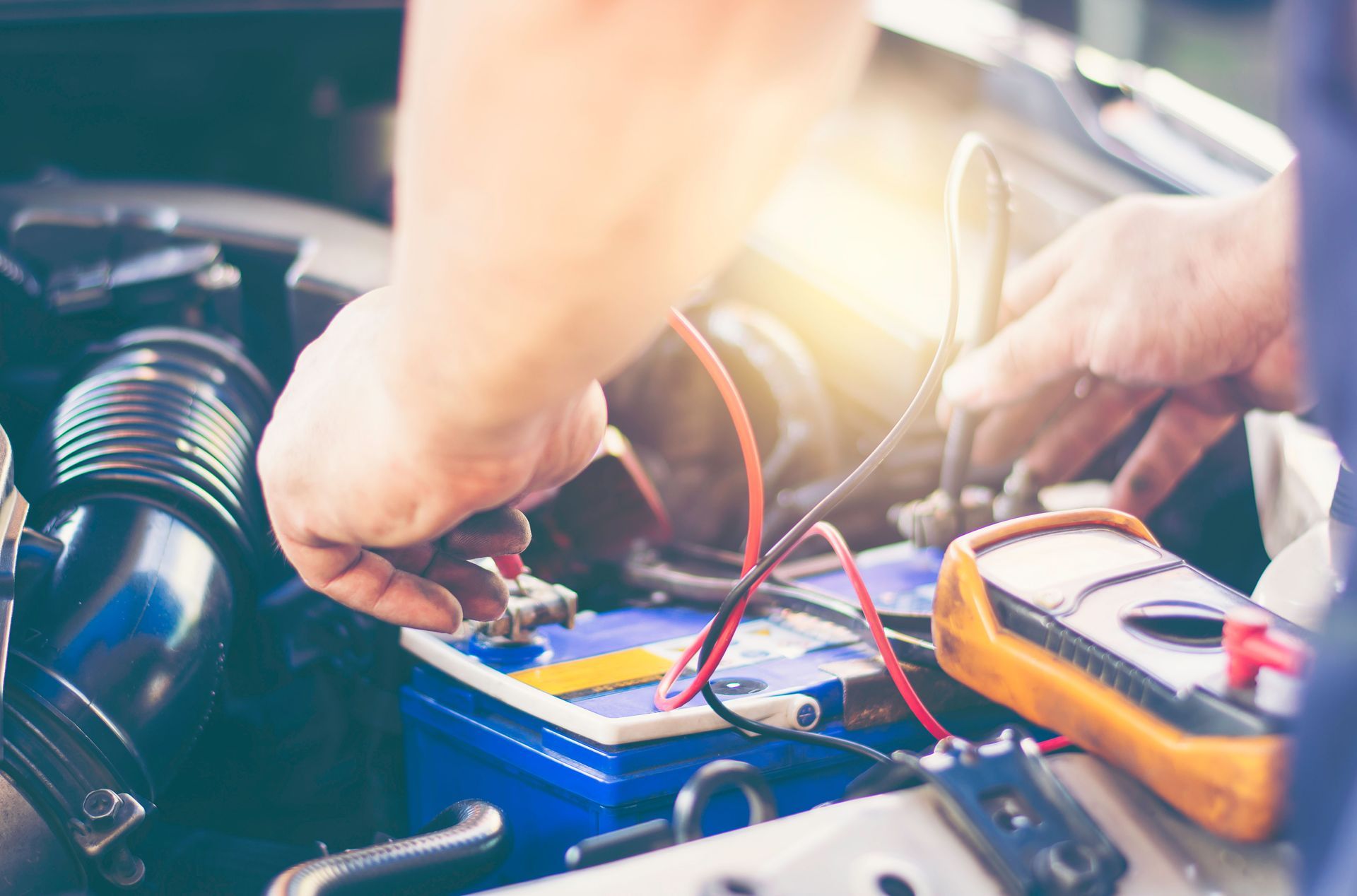
Advanced diagnostic equipment allows technicians to monitor airflow readings and detect irregularities that may not produce immediate warning lights. Identifying these issues early helps maintain proper engine operation and may prevent more extensive repairs later.
A reputable local auto repair shop also considers driving habits when recommending maintenance intervals. Drivers who frequently tow trailers, commute through dusty environments, or travel long highway distances may require different service schedules than occasional drivers.
Professional inspections also provide peace of mind. Rather than guessing whether an air filter still has usable life remaining, vehicle owners receive an accurate assessment based on its actual condition. This personalized approach helps avoid replacing components too early while reducing the risk of operating with restricted airflow.
Developing a relationship with a reliable local auto repair provider also creates consistency in vehicle maintenance.
What Are the Signs of Poor Airflow in Engines?
Poor airflow often develops gradually, making early symptoms easy to overlook. Recognizing these warning signs allows drivers to schedule service before performance declines further.
One common symptom is reduced acceleration. If the engine struggles to respond when pressing the accelerator, restricted airflow may be limiting combustion efficiency.
Lower fuel economy can also indicate airflow problems. While many factors influence gas mileage, a clogged air filter or intake restriction may contribute to increased fuel consumption over time.
Drivers may also notice rough idling, hesitation during acceleration, or inconsistent engine performance. These symptoms sometimes occur because the engine cannot maintain the ideal balance between fuel and incoming air.
Unusual engine sounds may also deserve attention. Whistling noises, excessive intake sounds, or changes in engine tone can indicate loose intake components or airflow leaks.
In some cases, the check engine light may illuminate after airflow sensors detect abnormal readings. Although many different issues can trigger warning lights, airflow restrictions remain one possible cause that should be evaluated promptly.
Clean airflow plays a significant role in protecting long-term engine health, improving efficiency, and supporting reliable vehicle performance. From maintaining the proper air-to-fuel mixture to reducing unnecessary engine strain, every component within the intake system contributes to smooth operation.
Routine inspections, timely air filter replacement, and preventive maintenance help drivers avoid many common performance problems before they become expensive repairs. Understanding the signs of restricted airflow also makes it easier to address concerns early and preserve engine longevity.
Partnering with a trusted
local auto repair provider gives drivers access to professional inspections, accurate diagnostics, and maintenance recommendations tailored to their vehicle and driving conditions. By making clean airflow a regular part of vehicle maintenance, owners can enjoy dependable performance and help protect their engine for years to come. If you're in need of a good mechanic, reach out to the team at Two Brothers Auto Restoration & Repair today!